
How to control food cost in a fine-dining kitchen
Fine-dining operations demand premium ingredients and meticulous execution. Protecting margins requires structured back-of-house discipline that upholds plate quality while eliminating unchecked operational waste.
Four Core Control Areas
Standardized recipes and portions
Cost recipes down to the gram; establish precise weights and butcher yields; specify clear plating standards; and mandate portion scales at prep and line stations for expensive proteins and portion-sensitive ingredients.
Purchasing and receiving controls
Verify invoice prices, delivery weights, product freshness, and supplier credit slips at the back door. Closely monitor premium seafood, dry-aged beef, and other high-cost specialty items before acceptance into the walk-in.
Prep forecasting and waste reduction
Forecast daily production using reservation pacing and historical sales curves; track spoilage, butcher trim, overproduction, and returned dishes daily; and utilize safe cross-utilization across specials to eliminate waste.
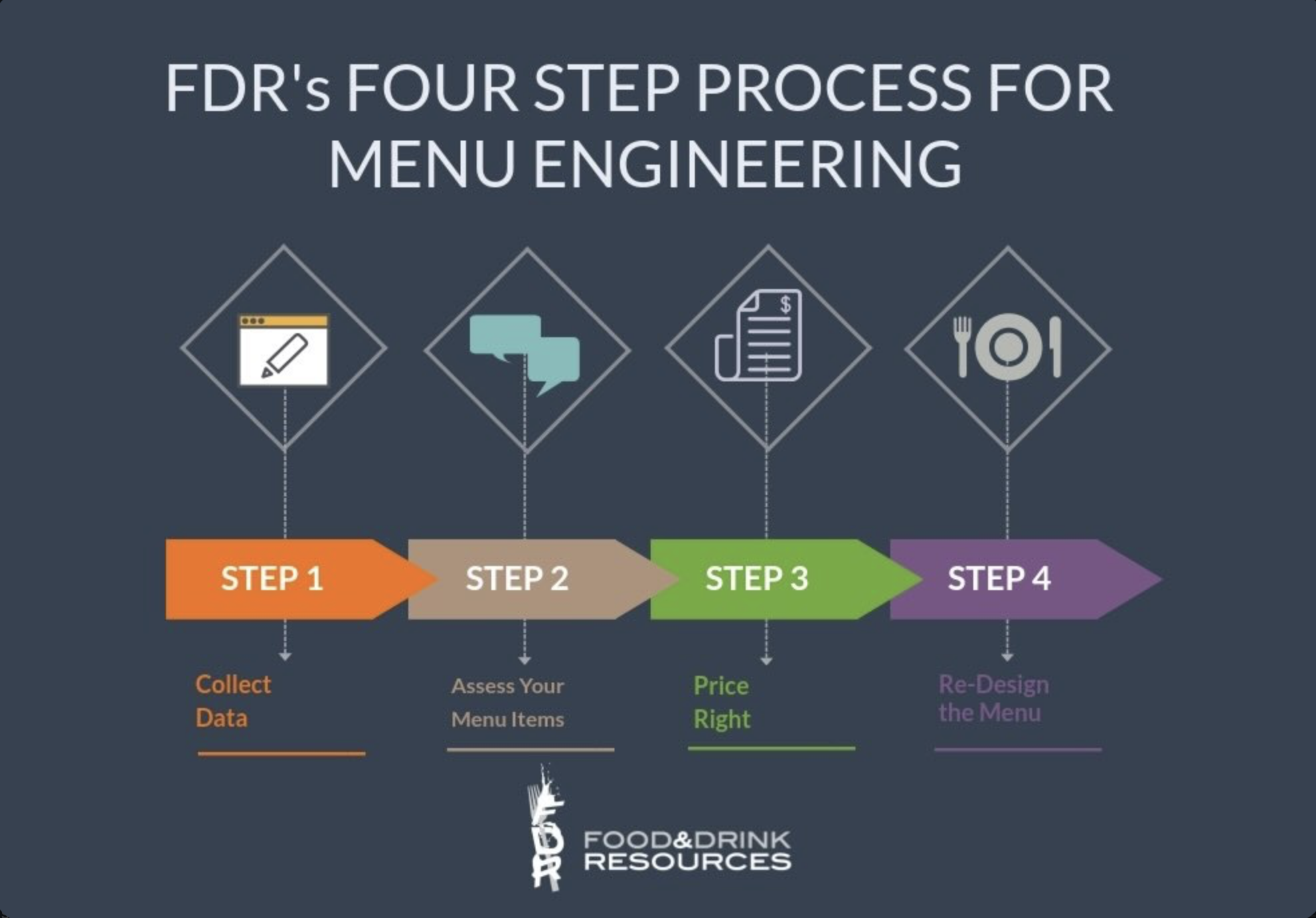
Menu engineering & contribution margin
Evaluate selling price, ingredient cost, contribution margin, and item popularity. A dish with a higher food-cost percentage can still generate significantly more cash contribution dollars for your business.
Contribution Margin vs. Cost Percentage
A $48 Dry-Aged Ribeye with a 35% food cost ($16.80 cost) yields a $31.20 contribution margin. A $28 Cavatelli with a lower 25% food cost ($7.00 cost) yields a $21.00 margin. Even though the pasta has a lower percentage, the ribeye puts $10.20 more cash into your bank account.
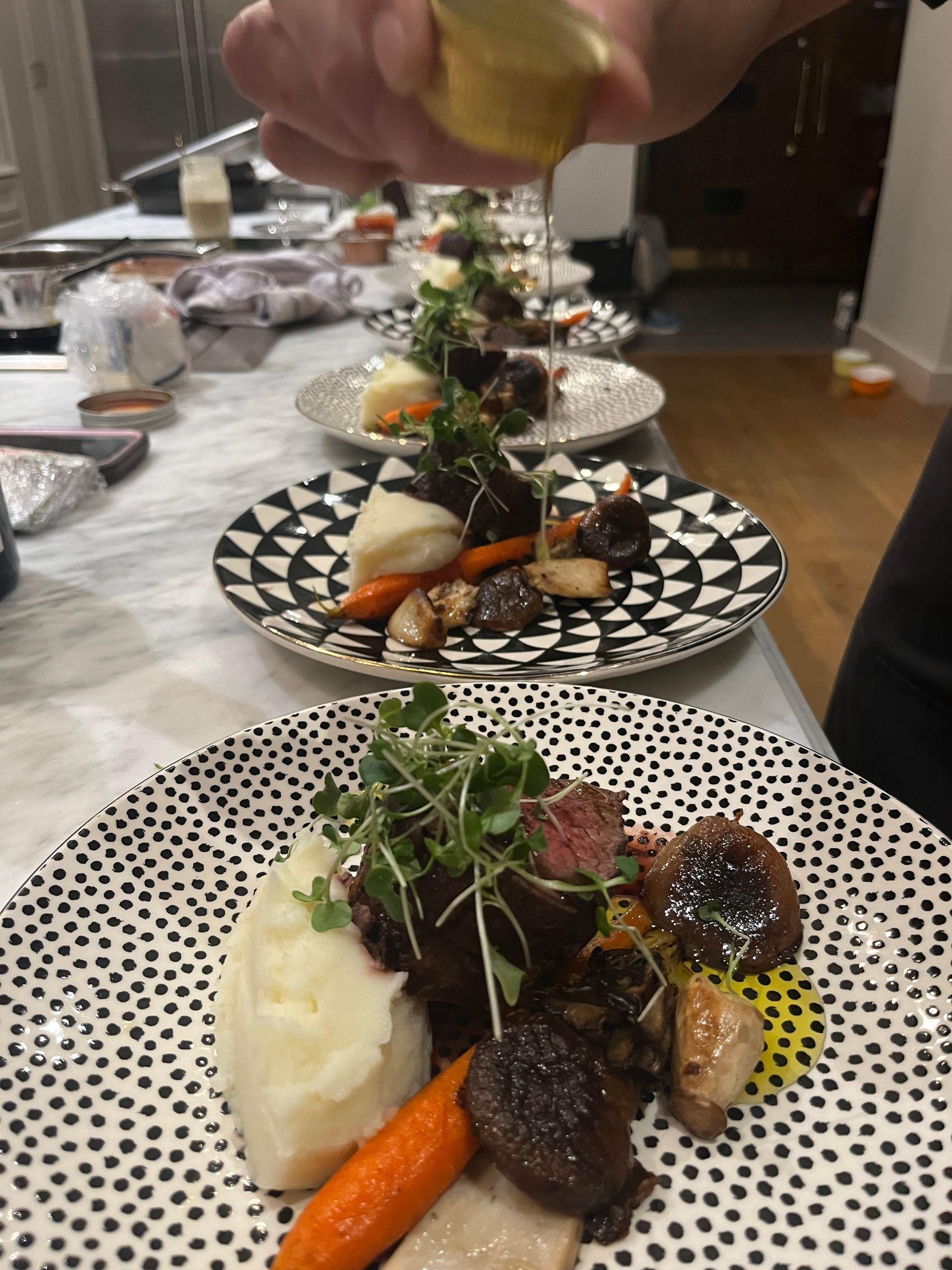
Dry-Aged Ribeye

Cavatelli
| Comparison Metric | Dry-Aged Ribeye | House Cavatelli |
|---|---|---|
| Menu Selling Price | $48.00 | $28.00 |
| Food-Cost Percentage | 35% (Higher %) | 25% (Lower %) |
| Ingredient Plate Cost | $16.80 | $7.00 |
| Gross Cash Margin (Bank Contribution) | $31.20 | $21.00 |
Measure theoretical versus actual food cost
Seven essential metrics Chef Rivera monitors to identify operational leaks and stabilize kitchen profitability:
If the food-cost target is 30% of food sales and food represents 75% of total revenue, food cost equals 22.5% of total restaurant revenue.
Elevate your fine-dining kitchen systems
Start with a single-location Culinary Assessment ($750+) to evaluate your recipes, station portioning, and receiving procedures.